
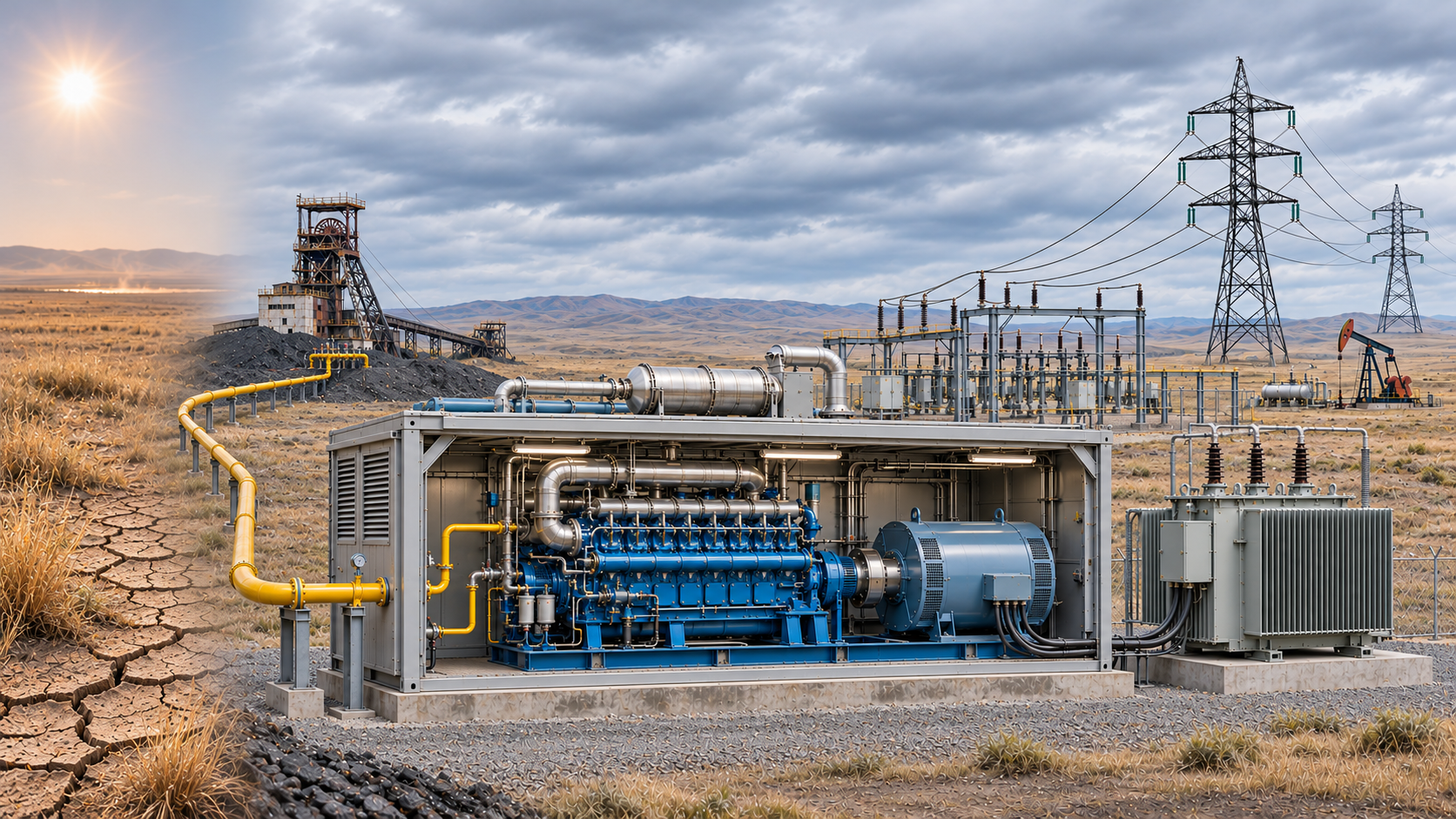
Kazakhstan ranks among the world’s leading coal-producing countries. But that status comes at a considerable environmental cost: greenhouse gas emissions associated with coal production contribute to climate change. Experts argue that methane released during mining should be captured and used to generate electricity rather than allowed to escape into the atmosphere. What could this approach mean for Kazakhstan, and how feasible is it in practice?
Methane and Climate Change
According to the International Energy Agency’s Global Methane Tracker 2026, methane accounts for approximately one-third of the rise in global temperatures since the Industrial Revolution. Unlike carbon dioxide, methane has a relatively short atmospheric lifetime. Sustained reductions in emissions from extractive industries could therefore help slow warming over the coming decade.
The stakes are particularly high in Central Asia, where countries depend heavily on transboundary rivers even as demand for irrigation grows and glaciers retreat. Cutting methane emissions will not solve water scarcity on its own, but it could help ease the human-induced pressures driving climate change.
At the regional ecological summit in Astana in April 2026, Inger Andersen, Executive Director of the United Nations Environment Programme (UNEP), underscored the climate benefits of reducing methane emissions, particularly leaks and losses in the oil and gas sector.
Yelaman Aibuldinov, Vice-Rector for Science and Innovation at Astana International University and a researcher with a PhD in chemistry, says methane’s impact goes beyond rising temperatures. It also contributes to the formation of tropospheric, or ground-level, ozone, which can harm air quality, respiratory health and crop yields. Reducing methane emissions could thus deliver benefits for public health and food security as well as the climate.
“Methane clearly plays a significant role in climate change. Having ratified the Paris Agreement, Kazakhstan must prioritise reducing greenhouse gas emissions, including by putting methane to productive use in industry. Rather than releasing it into the atmosphere, using methane for industrial purposes would help reduce environmental risks and provide additional energy,” Aibuldinov said.
Can the Karaganda Coal Basin Harness Its Methane?
The Karaganda coal basin has substantial coal reserves. Yet the gas contained in coal seams cannot automatically be treated as commercially recoverable fuel. Recovery rates depend on seam permeability, depth, pressure, extraction methods and the quality of degasification systems. The viability of electricity generation also depends on suitable generating equipment, grid-connection terms, proximity to heat consumers and the stability of gas flows.
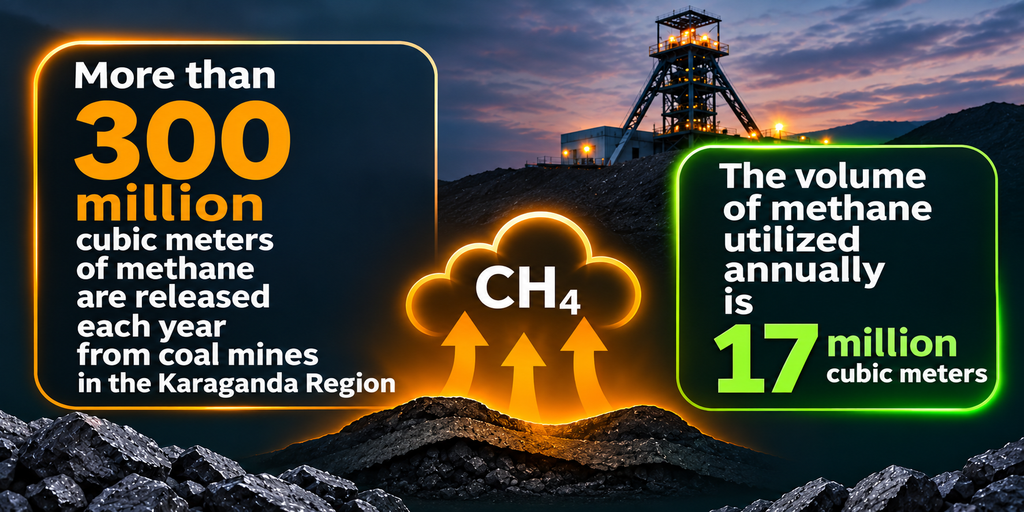
Coal mines in the Karaganda region release more than 300 million cubic metres of methane annually, according to figures cited in the original reporting. Only around 17 million cubic metres are utilised each year. The gap illustrates how far methane capture and utilisation have yet to develop in Kazakhstan’s coal industry.
Kazakhstan’s coalbed methane (CBM) resources have been estimated at 2.0-4.3 trillion cubic metres. Much of that potential remains untapped.
Aibuldinov stresses that producing electricity from methane requires more than buying a generator.
“Electricity generation from methane requires the right infrastructure: wells and drainage pipelines, gas drying and purification systems, continuous monitoring of methane concentrations, pressure stabilisation, automated safety controls and facilities to deliver energy to consumers. Gas flows can also fluctuate with the mining cycle. If a company cannot forecast electricity purchase prices, equipment life and potential environmental charges, investment decisions will continue to be postponed,” he explained.
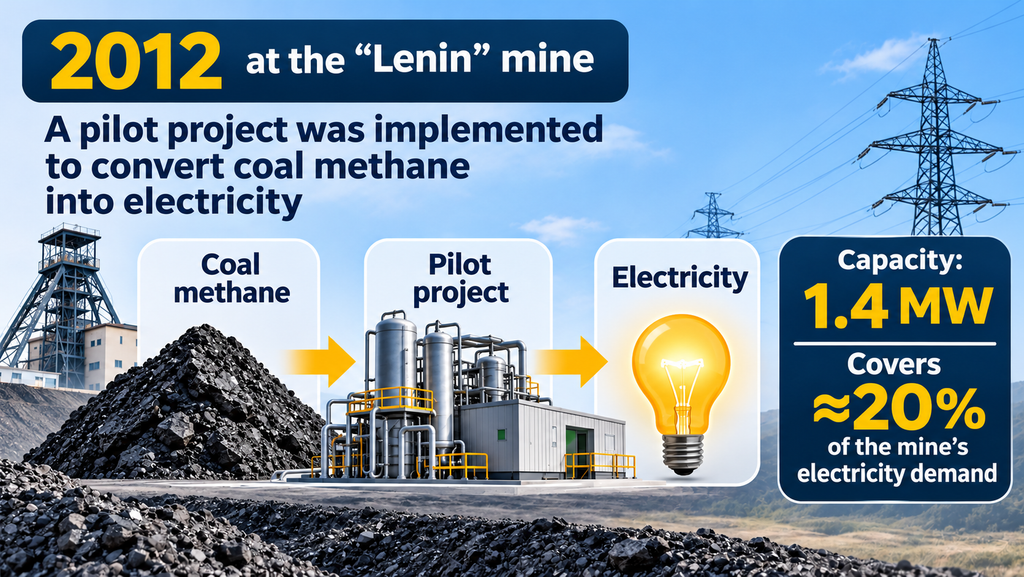
Kazakhstan has already tested the technology. In 2012, a pilot facility converting coal mine methane into electricity was commissioned at the Lenin mine. With a capacity of 1.4 megawatts, it was designed to potentially cover about 20% of the mine’s electricity needs. The experiment demonstrated methane’s usefulness as a fuel, but the performance of one pilot project cannot establish the commercial viability of an entire industry.
Coal mine methane should therefore not be described as “free fuel” or “zero-waste energy”. Extracting, conditioning and safely burning the gas all entail costs.
Qarmet: Turning Mine Gas into Heat
Another example comes from Qarmet’s Shakhtinsk mine. On November 18, 2026, a refurbished gas-fired boiler facility resumed operations. The installation had been shut down in 2016 after years of service and subsequently underwent major repairs. Its reopening shows that gas released from a coal mine can be put to practical industrial use.
In this case, the final product is heat, not electricity. According to specialists, methane from the mine travels through a pipeline roughly three kilometres long to the boiler house, where it heats water. The heat is then used in industrial buildings and a domestic-services complex.
For normal operation, the methane concentration in the gas-air mixture must be at least 25%. Multiple safeguards monitor pressure and gas composition. Qarmet has also said it is examining ways to drain gas before mining, including wells drilled into coal seams from the surface. Pre-drainage could reduce methane release rates and lower risks during extraction.
Zhomart Mine: Why Digital Monitoring Matters
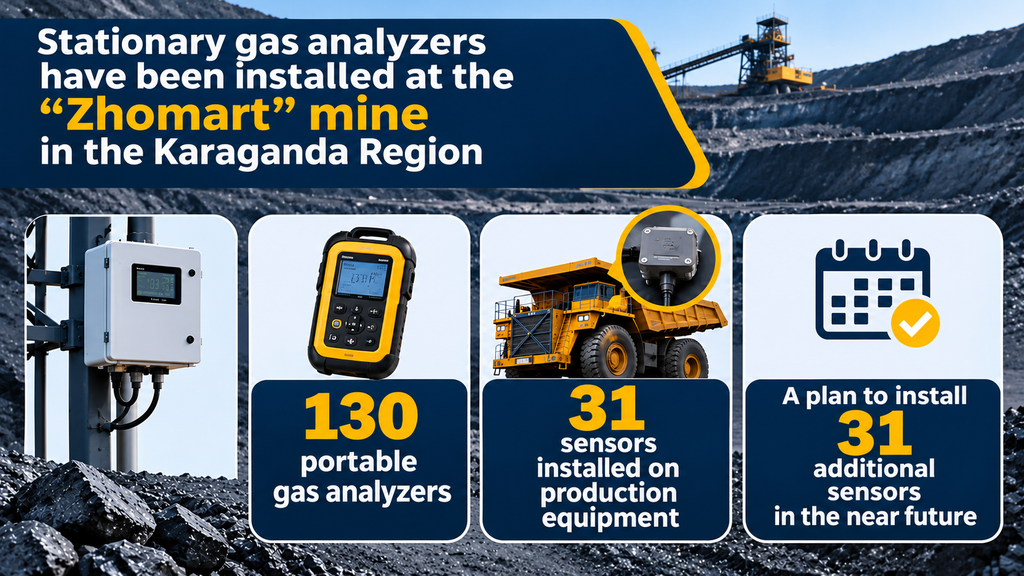
Methane safety monitoring is also developing at Kazakhstan’s mines. At Kazakhmys Corporation’s Zhomart mine in the Karaganda region, fixed gas analysers monitor air composition and send readings to a control room. The mine has 130 portable analysers and 31 sensors installed on mining equipment, with another 31 planned. Once completed, the system is expected to cover 62 pieces of equipment and automatically stop machinery if gas concentrations exceed safety limits.
Specialists say upgrades to the ventilation system have increased airflow capacity by 200 cubic metres per second. A new ventilation shaft is designed to deliver fresh air to a depth of around 600 metres. Of the 45 measures in the mine’s safety programme, 39 have been completed, at a reported cost of 2.7 billion tenge.
The Zhomart example demonstrates the importance of monitoring hazardous methane concentrations. More broadly, both methane recovery for energy and safe mine operations depend on reliable measurement. The monitoring measures described here do not, on their own, establish that Zhomart is already generating energy from captured methane.
Mukhammedrakhym Rabatuly, a mining and degasification researcher at Karaganda Technical University, sees significant potential for methane-to-power projects in the region.
“Technologically, coal mine methane is differentiated by its concentration. High-concentration gas extracted directly from coal seams through pre-drainage pipelines can be sent to gas-engine generators at the mine to produce heat and electricity. Low-concentration methane in ventilation air, known as ventilation air methane (VAM), requires specialised thermal-oxidation equipment. The resulting heat can be used to raise steam for electricity generation. Introducing these technologies at industrial scale could improve miners’ safety while giving the region an additional energy source,” Rabatuly said.
Associated Gas: Opportunities for the Digital Economy
Interest is also growing in the use of associated petroleum gas produced alongside crude oil. Experience with on-site power generation from this resource could offer lessons for coal mine methane projects, although the gases and operating conditions differ.
Some associated gas is still flared, wasting an energy resource and producing greenhouse gas emissions. Experts argue that where technically and economically feasible, it should instead be used to generate electricity at production sites. This could be especially valuable for fields far from centralised grids: local power plants could serve industrial facilities without requiring gas to be transported long distances.
Associated petroleum gas and coal mine methane are not interchangeable, however. They differ in composition, recovery methods and safety requirements, and each project needs an appropriate technical design.
“Introducing such technologies does not always require enormous investment. In some cases, a viable project can be implemented within a company’s existing budget. What matters most is properly organising gas monitoring and utilisation systems. These can also help prevent industrial accidents. Given the tragic accidents at coal mines in the Karaganda region, we must recognise that methane accumulation and explosion risks remain among the mining industry’s most pressing challenges,” Aibuldinov said.
Data centres and cryptocurrency mining facilities consume large amounts of electricity. Kazakhstan is considering whether some of that demand could be met by power generated from associated gas. One proposal is to build standalone power plants near production fields and locate computing facilities nearby. Such projects could support local energy infrastructure, attract private investment and potentially ease pressure on the centralised grid.
“Methane is the main component of the natural gas used in everyday life. It also predominates in the gas supplied to Kazakhstan’s southern and western regions and to Astana,” Aibuldinov said.
The Kazakh government is considering suitable fields and the legal mechanisms needed for such projects. The proposals still require regulatory and technical development. Their economics will depend on gas availability, plant capacity, investment costs and stable demand for the electricity produced.
Saule Sabiyeva, Director of the Climate Policy Department at Kazakhstan’s Ministry of Ecology and Natural Resources, says these initiatives align with the country’s international commitments.
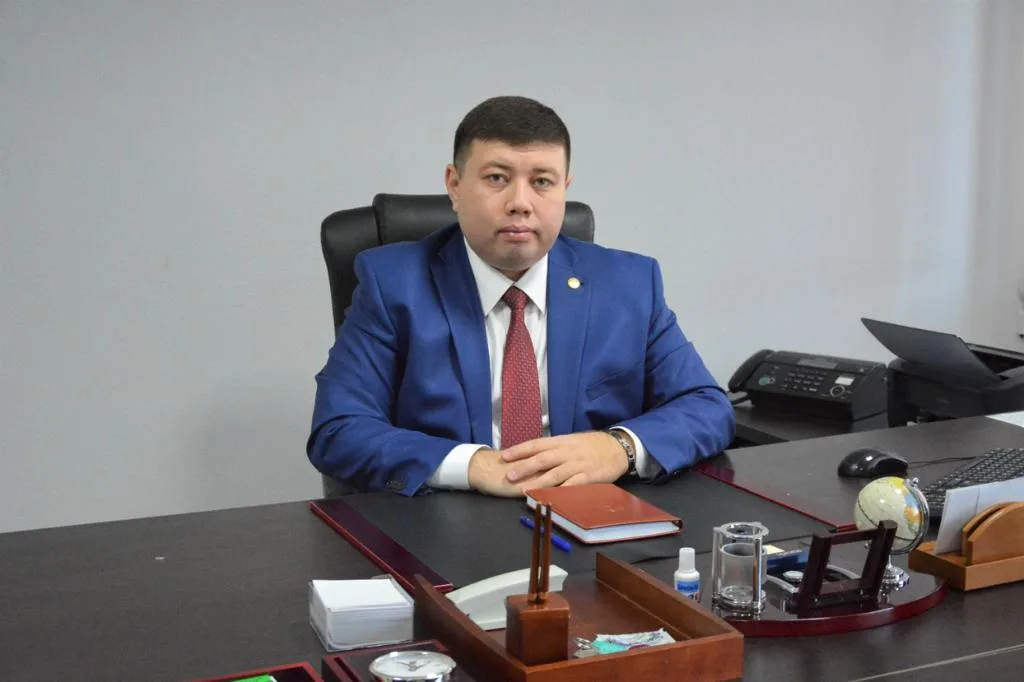
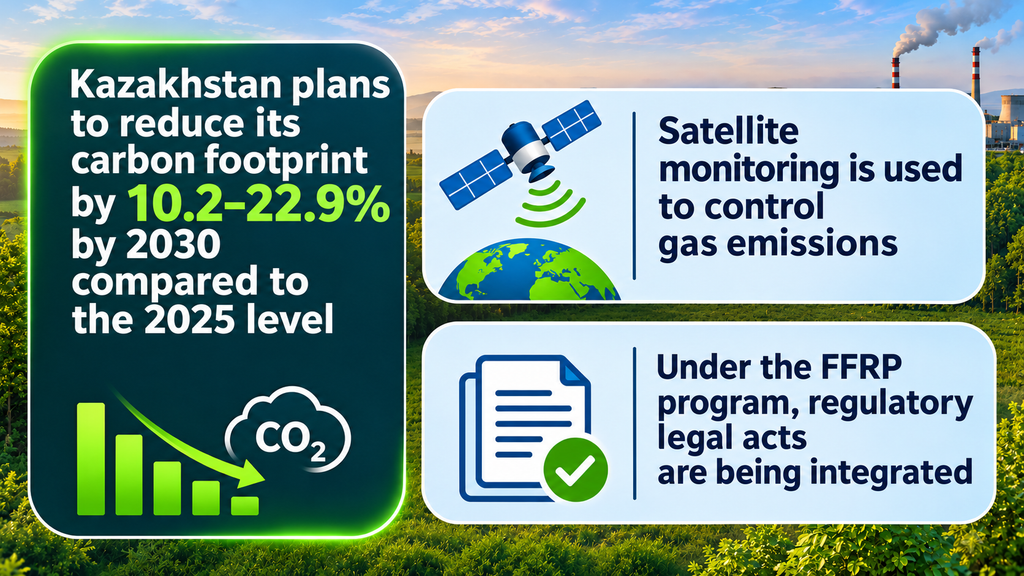
“Kazakhstan is systematically improving its national legislation on methane regulation. Under the national carbon quota plan, emissions-reduction obligations are becoming more stringent. Whereas the previous annual reduction benchmark was 1.5%, for the strategic period to 2030, we aim to reduce the carbon footprint by 10.2–22.9% from 2025 levels. Satellite monitoring of gas leaks and the integration of methane-related regulations for the coal sector supported under the FFRP programme are encouraging businesses to rethink gas utilisation,” she said.
Environmental trade-offs must also be considered. Capturing and burning methane can reduce direct methane emissions, but combustion produces carbon dioxide. Electricity generated in this way is therefore not carbon-free.
Nevertheless, methane-to-power projects could help Kazakhstan reduce industrial emissions, make better use of energy resources, develop infrastructure at remote sites and support the digital economy.
Aibuldinov argues that methane’s potential extends beyond electricity.
“Methane should not be seen solely as an environmental threat. It is also an important feedstock for the chemical industry. Different processes can convert it into hydrogen, methanol and other chemical products. In other words, a gas that poses an environmental problem can be turned into products of economic value,” he said.
How Other Countries Put Mine Methane to Use
Aibuldinov points to China, the United States and Germany as examples of different approaches to coal mine methane: state incentives, market-based environmental finance and regulatory oversight, respectively.
“Consider China. It illustrates how state incentives and subsidies can support methane utilisation. As the world’s largest coal producer, China has developed ways to address even the low-concentration methane released through ventilation systems, one of the most technically challenging streams to use. Support mechanisms have included preferential arrangements for electricity generated from mine methane, while some carbon-management projects have benefited from tax incentives. In my view, these policies have helped make methane utilisation more attractive to coal companies,” he said.
The expert described the US approach as more market-oriented. Methane capture projects may be able to earn tradable carbon credits where they meet the rules of an applicable offset programme. Such credits can create an additional revenue stream, while environmental financing may help fund equipment. Aibuldinov suggested that, under favourable conditions, generation projects could recover their investment within five to seven years. Actual payback periods depend on the project and market conditions.
“Germany provides a third example. Its approach relies on legislation and administrative oversight. In the Ruhr coal region, methane from operating and closed mines has been subject to environmental controls, and recovery, utilisation or flaring can help limit emissions. Burning methane converts it mainly into carbon dioxide, which has a substantially lower warming impact per unit of gas than methane itself. These measures can reduce the region’s greenhouse gas footprint,” Aibuldinov said.
The common threads are regulatory clarity, economic incentives and credible measurement. Kazakhstan would need to adapt such approaches to the geology of its coal basins, its energy market and the capacity of its institutions rather than copy them wholesale. Transparent emissions data will be essential for both investors and policymakers.
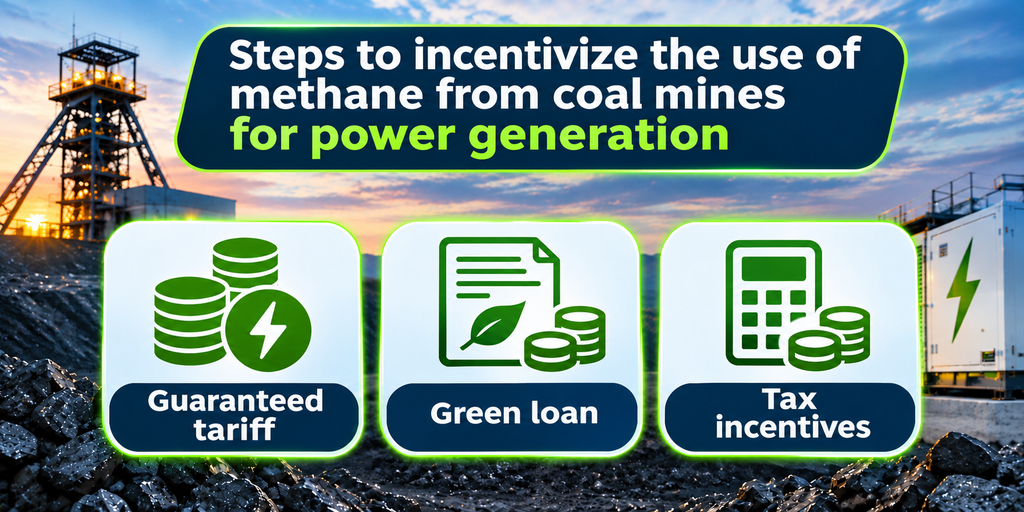
Aibuldinov proposed three measures to encourage coal mine methane power generation in Kazakhstan. First, he called for a guaranteed purchase tariff: projects could receive legal treatment comparable to renewable energy facilities, with electricity bought at an enhanced incentive price. His proposal names KEGOC as the prospective purchaser; the institutional and legal arrangements would need to be clarified before implementation.
Second, he advocated concessional loans. Commercial banks can be reluctant to finance capital-intensive mining projects with long payback periods, so development institutions such as the Industrial Development Fund or the Development Bank of Kazakhstan could offer subsidised financing at annual rates of 2–4%.
Third, he proposed tax relief, including exemptions from property tax and corporate income tax for methane-fired generating facilities during their first five years of operation.
Methane Reduction and Kazakhstan’s Climate Commitments
Methane reduction has become a priority in international climate diplomacy. At COP28 in 2023, President Kassym-Jomart Tokayev announced Kazakhstan’s intention to join the Global Methane Pledge. The initiative seeks a collective reduction in global human-caused methane emissions of at least 30% by 2030, relative to 2020 levels.
For Kazakhstan, capturing methane from coal mines and making better use of associated gas could connect climate action with industrial development. The technical possibility of converting these gases into useful energy has already been demonstrated. The harder question is whether the country can put in place the regulations, financing, infrastructure and reliable monitoring needed to make such projects commercially viable, environmentally effective and safe at scale.
Yersin Shamshadin
Central Asia Climate Campaign 2026 is implemented by the MediaNet International Centre for Journalism and n-ost with support from the Federal Ministry for Economic Cooperation and Development (BMZ) of the Federal Republic of Germany as part of the project “Communicating Climate in Central Asia”.
